8.24.2023

Paint with Charcoal

by Lisa Larrabee

Charcoal is both bold and forgiving.  You can blend and smudge charcoal or sharpen it to draw with precision.  Charcoal is a staple in most drawing classes, but did you know that you can also paint with it?


If you mix charcoal powder with water, you can paint using a process that is similar to watercolor.  The charcoal powder often pools and settles creating interesting patterns as it dries.  When the water evaporates, all that is left on the paper is the charcoal.  This charcoal can now be manipulated using traditional dry charcoal techniques.  You can blend, erase and add details using blending stumps, charcoal sticks and charcoal pencils.

8.03.2023

Quick & Bold Graphite Studies

   by Lisa Larrabee


Graphite is a staple for any artist.  It can be used for a variety of purposes from doodles to stunning finished works of art.  It is stable, easy to transport and very forgiving.  It is also inexpensive and convenient. There's a good chance you are near a graphite pencil as you read this, so you can join in with the Art Challenge!  
Graphite can be used in a variety of ways.  For the purpose of creating quick studies, I will stick with a medium hardness HB pencil. You can also use a classic #2 yellow pencil with the pink eraser.  Nothing fancy is needed.

4.19.2023

Take Risks with Color!

 by Lisa Larrabee

Value does all the work, but color gets all the credit.  That phrase gets thrown around a lot, but what does that even mean?  

We love color!  Colors can be subtle or dazzling.  Colors are powerful and can be used to get our attention or to communicate feelings.  However, value relationships are often the foundation of a drawing or painting.  Values can be essential to providing structure and to creating the illusion of light, form and depth.

Organize Colors by Value

If you want to experiment and take some risks with color, it can help to begin by first considering your values.  In the example below, I began with a black and white photo reference that had a nice range of light, medium and dark values.  I selected colors fairly randomly based on what I thought looked interesting while making sure I had different values.  I then sampled the colors on my gray toned paper in order of dark to light.  


I have been inspired recently by the drawings of Viktoria Maliar and her bold mark-making and color choices.  It reminded me of exercises I did when studying the mark-making of Vincent Van Gogh's portraits back in college.  I approached this study similar to others I have done when experimenting with my color choices.  I focused on placing values where they belonged regardless of whether it made sense for the local color of the subject and with zero regard for lighting color or temperature.

4.06.2023

Give It Time

by Lisa Larrabee

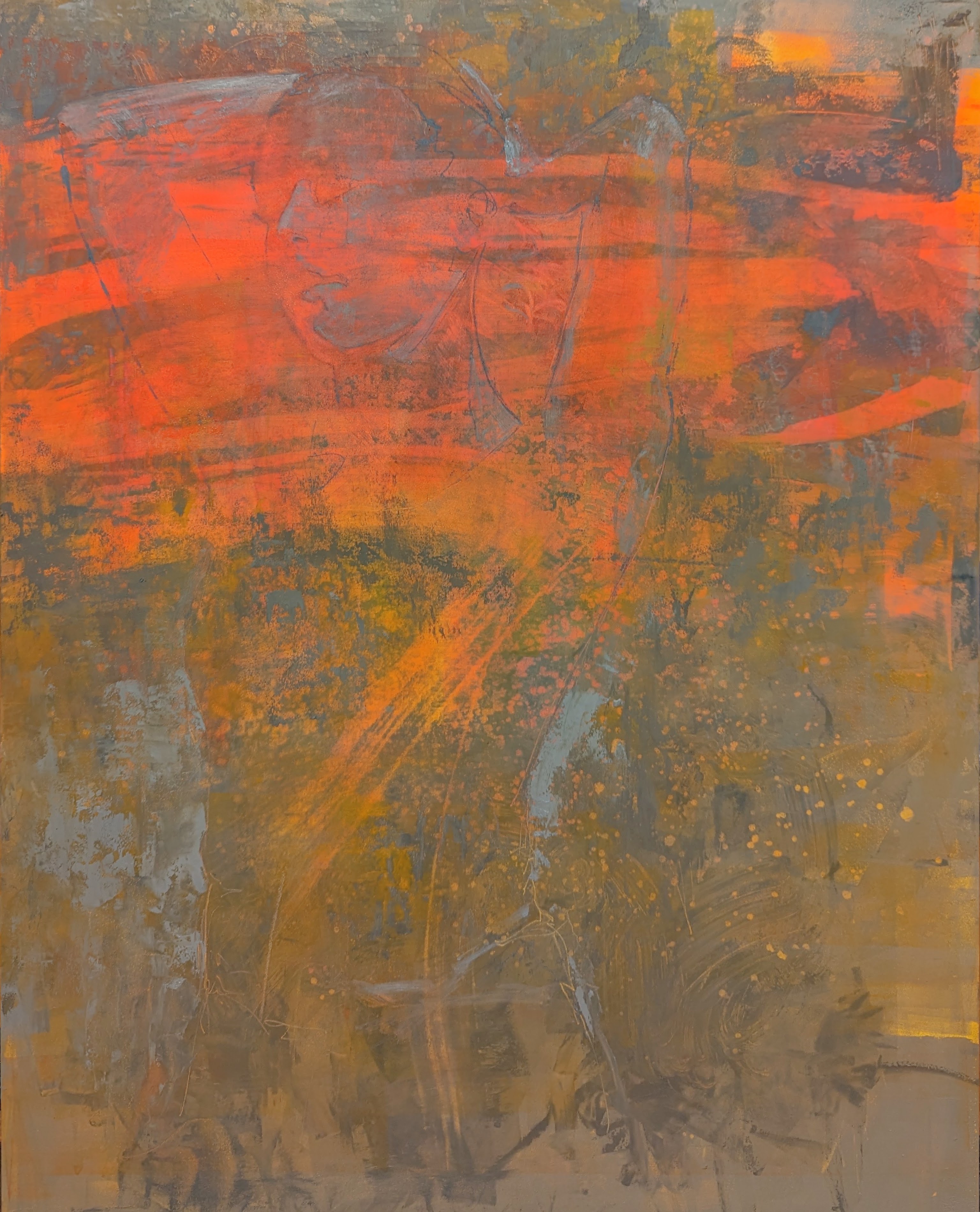
If you follow my progress, you will know that I love to experiment. My exploration influences the classes I offer. In the last six months, I have taught classes on expressive drawing, experimental color and portrait essentials. During that time I focused on a variety of mediums outside of my traditional oil paint. I did not consciously consider how my exploration would effect my painting; I just absorbed the information. The painting below had been set aside for several months.  I wasn't sure how to finish what I had started.  When I recently returned to this painting, I had new solutions to try.


I loved the vibrancy and heat of the red-orange against the gray, but I was afraid I would lose the energy if I followed my traditional process because the color palette was out of my comfort zone. Setting this painting aside was essential.

3.16.2023

Start with Color

by Lisa Larrabee

Why start your drawing or painting on a color?  A background color can set the mood for your artwork and unify the elements right from the start.  It has the power to neutralize or enhance the colors layered over it.  Certain background colors can add or reduce energy, effecting the entire piece.  When a single decision has so much influence, it is important to take the time to explore the possibilities!

Effects of a Background Color

There is much to consider when choosing a color to build upon.  Think about how much you want to allow the background color to show through. You can draw or paint in a way that lets large areas of the background color be visible, or you can let little bits of color show through between the marks or brushstrokes.  You can choose to layer or blend the medium so that the color shows through subtly.  Depending on the medium, you can also cover areas opaquely to hide the color underneath.  How much you choose to reveal the background color will effect the overall style and mood of your piece.

Profile on Cool (Whisper) & Profile on Warm (Promise) - by Lisa Larrabee

In these two examples there is a lot in common, but each painting captures a different mood.  Both portraits have soft edges, reduced detail, high-key values and are of the same model.  The portrait on the left was painted over a cool lavender background.  The portrait on the right was painted on a warm orange-pink.  It can be very helpful analyze the effect of a change when other elements stay the same. You can think of it like a scientific experiment where you keep most variables the same in order to best identify the effect of the change.

2.28.2023

Setting the Tone

by Lisa Larrabee

What do you consider before starting a drawing?  An obvious choice would be to start with your subject.  Then, maybe you consider the composition and how you want to place your subject.  What you want to include verses what you might choose to leave out.  Which medium you intend to use, etc.  How much thought do you put into choosing a background tone?  If you aren't thinking about these options, you are missing an opportunity.  


Choosing a Tone

tone is the relative lightness or darkness of a color.  

1.27.2023

Negative Space (Why It's Such a Big Deal)

by Lisa Larrabee

If you do an online image search for "negative space drawings" you will find a tremendous number of examples that range from traditional academic exercises to very creative design solutions.  Variations of negative space exercises exist at all levels of drawing classes (whether or not it is explicitly labeled as such).  So, what is "negative space" and why is it such a big deal?